


1) Weakness /Fatigue
2) Jaundice
3) Pain in Abdomen
4) Abdomen distention / swelling
5) Blood in vomiting / stools
1) Alcoholic liver disease
2) Non-alcoholic Steatohepatitis (NASH / NAFLD)
3) Hepatitis B / C cirrhosis
4) Autoimmune hepatitis
5) Biliary atresia (children)
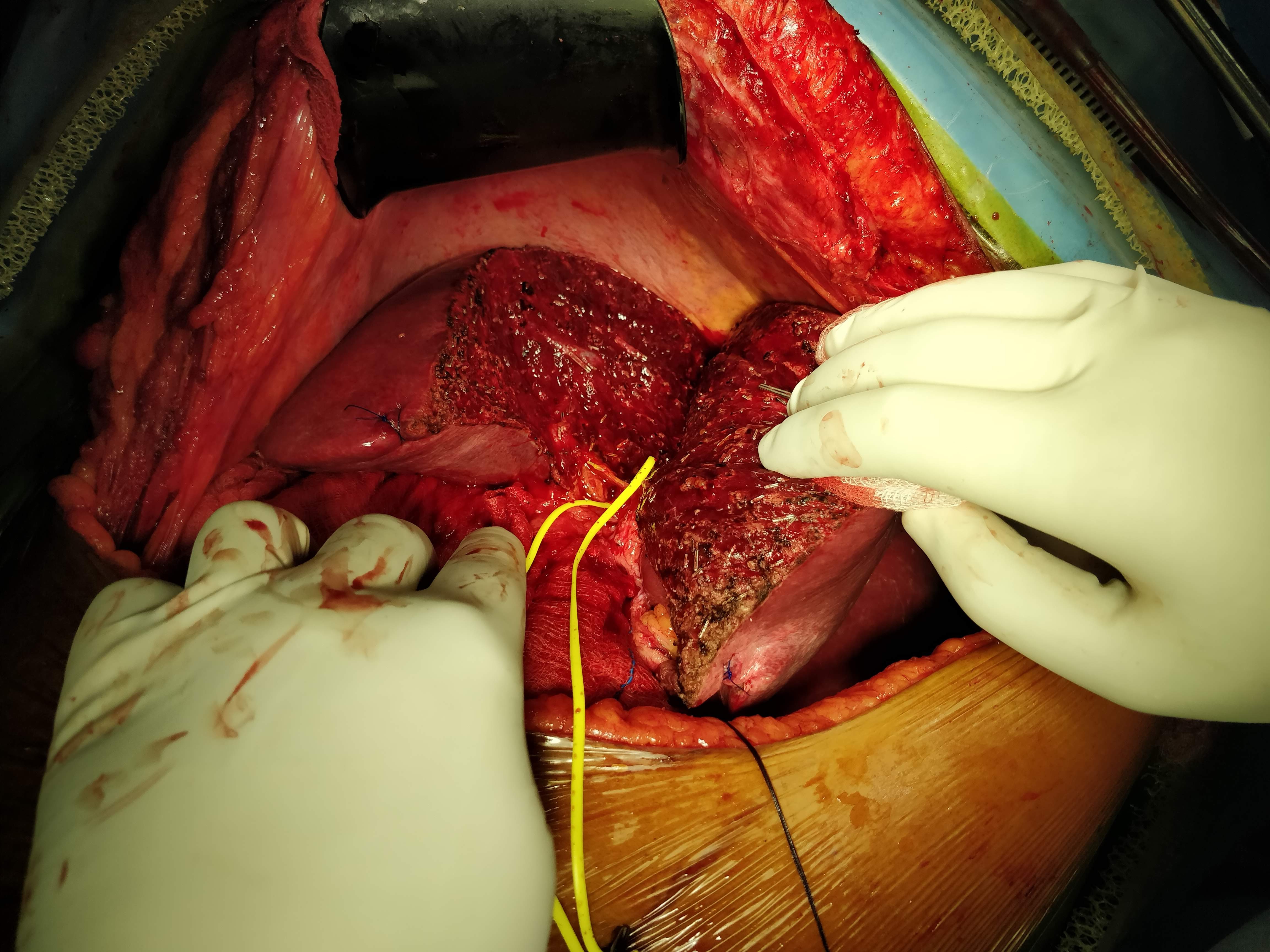
Liver transplantation involves removal of the old diseased liver which is replaced with a new one. This involves the need for a donor. This procedure comes under the purview of the law governed by the Transplant of Human Organ Act, 1994. This is a law mainly for the protection of organ donors so that they are not made victims of coercion in various social circumstances.
A healthy living near relation will donate part of his or her liver to a patient needing a liver transplant. This donor is usually an immediate family member- related emotionally to the patient.
All living donors are subjected to several tests before transplant surgery in a step wise manner. These tests will ascertain the donor’s blood group compatibility with the recipient. These tests will also confirm that the part of the liver to be donated will be adequate for the recipient without risking a donor’s well-being.
1) Avoid alcohol
2) Eat healthy food (avoid fatty food)
3) Regular exercise
4) Regular check-up
Post-transplant patient needs 2-3 weeks of hospital stay. Gradual walking and exercise can be started in 1 month and return to work can be expected after 3 months. Meanwhile regular medications and follow-up with doctor is advised.
2) What will be my life after liver transplant?Liver transplant has very good results with 5-year survival of 80 % . Post-liver transplant, patient can live life normally provided strict adherence with medicine and doctors’ advice.
Our team provides multi-disciplinary care, smooth transplant and legal work-up process and expert operative skills for the best possible results.
Copyright ©2021 Dr. Sahil Gupta. All Right Reserved.