


1) Vomiting
2) Abdominal Pain
3) Diarrhoea
4) Abdominal distension
5) Blood in stools
6) Constipation
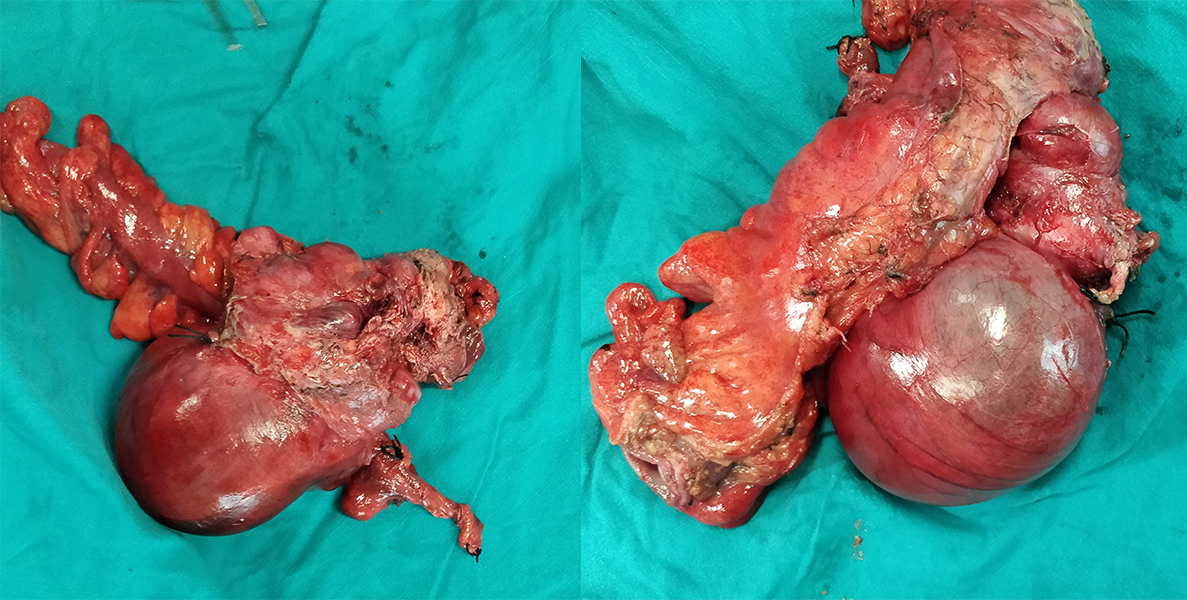
The goal of this surgery is to remove diseased sections of your bowel. During this surgery, your surgeon removes the diseased parts of your bowel and then reconnects the healthy parts. Your surgeon may remove all or part of your bowel.
Your surgeon may perform aileostomy / colostomy if there’s not enough healthy intestine after surgery. During a colostomy, your surgeon moves one end of your large intestine to the outside of your abdominal wall and attaches a colostomy bag to your abdomen. When stool passes through your large intestine, it drains into the bag. The stool that goes into the bag is usually soft or liquid.
A colostomy / ileostomyis often temporary. You’ll have the bag until your intestines heal. During a new operation, your surgeon can then remove the colostomy / ileostomy . In some cases, however, the stomas are permanent.
At least two weeks before surgery, tell your doctor about all the medicationsyou’re taking. You should include supplements such as vitamins and herbs. You should also inform them about any recent illnesses including any colds, flus, or herpes breakouts.
Before surgery, your doctor may need you to:
A few days before you have a large bowel resection, you may need to:
On the day of your surgery, follow your doctor’s instructions. You may need to refrain from eating or drinking anything for 12 hours before the surgery.
You’ll generally stay in the hospital for three to seven days. You may need to stay in the hospital longer if you develop complications. You’re generally able to drink clear liquids by the second or third day. As you heal, you’ll be able to drink thicker fluids and eat soft foods.A full recovery may take about one - two months.
How to protect bowel?1) Eat plenty of fibres
2) Plenty of fluid intake
3) Avoid constipation medicine overuse
Copyright ©2021 Dr. Sahil Gupta. All Right Reserved.